Best Reusable Water Bottles 2026: Top Expert-Tested Picks for Daily Hydration

Introduction
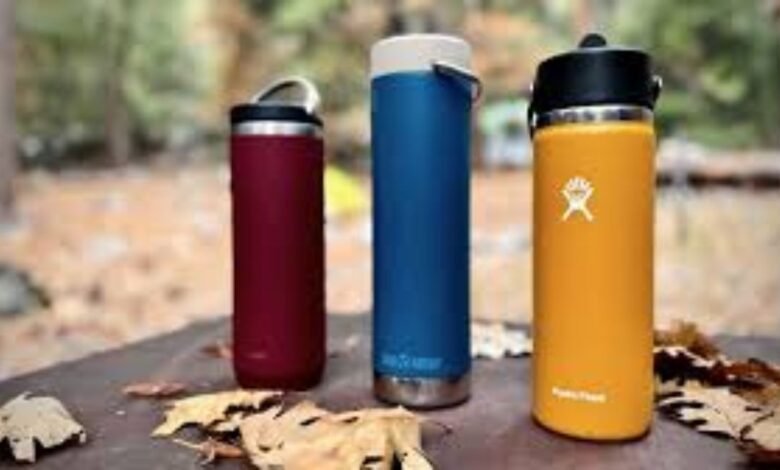
In 2026, finding the best reusable water bottles 2026 has never been more important. These bottles keep water cold for hours, resist leaks, and fit your daily life — whether at work, the gym, hiking, or school. They help you stay hydrated while cutting single-use plastic waste. Top brands like Hydro Flask, Owala, and Yeti lead with better lids, stronger materials, and reliable performance after years of real-world testing.
Experts test these bottles rigorously: drop tests, leak checks, long-term insulation trials, and daily use by many people. The best reusable water bottles 2026 stand out for durability, easy drinking, and value. Let’s explore the top choices and how to pick the right one.
Why the Best Reusable Water Bottles 2026 Matter More Than Ever
One person can save hundreds of plastic bottles yearly by switching to a reusable option. Stainless steel and glass versions last years with proper care. Double-wall vacuum insulation creates a sealed gap that blocks heat transfer — water stays cold 12-24+ hours or hot 8-12 hours depending on size and brand.
In 2026, improvements include better one-handed lids, stronger locks to prevent spills, and more recycled materials. These features make the best reusable water bottles 2026 practical for busy lives. They also reduce microplastics in your drink compared to cheap plastics.
Top Picks: The Best Reusable Water Bottles 2026
Best Overall: Hydro Flask Wide Mouth with Flex Chug Cap (24 oz)
Hydro Flask remains a top choice in 2026. The 24 oz Wide Mouth with Flex Chug Cap offers excellent balance of insulation, ease of use, and durability. Its double-wall vacuum insulation keeps drinks cold for 24 hours (ice lasts all day in tests) and hot for 12 hours. The powder-coated finish resists scratches and provides a good grip.
Key pros:
- Fully leakproof in side and drop tests
- Wide mouth fits ice easily
- Dishwasher-safe body (hand-wash lid for longevity)
- Limited lifetime warranty
- Fits most cup holders in smaller sizes
Cons: The Flex Chug Cap is removable (easy to lose if not careful). Price sits around $40-50.
Testers praise its reliability for office, gym, and commute use. Hydro Flask (from Bend, Oregon) popularized insulated bottles and continues to refine designs in 2026. This is often called the best reusable water bottles 2026 all-rounder. (See Wirecutter’s full testing here.)
Best for One-Handed Use and On-the-Go: Owala FreeSip Sway (24-30 oz)
The Owala FreeSip Sway shines in 2026 reviews for its unique dual drinking system. Sip through the built-in straw or chug from the wider opening — no lid removal needed. A secure lock prevents accidental opens, and the carry handle feels sturdy.
Insulation performs well (cold 20+ hours), the tapered base fits cup holders, and colors stay vibrant. The lid latches firmly. Pros: True one-handed operation, leakproof, great for driving or kids. Cons: Complex lid needs thorough cleaning; straw can wear.
Many call the Sway an upgrade over the original FreeSip. It ranks high for families and commuters.
Best for Durability and Rugged Use: Yeti Rambler (26-36 oz)
Yeti Rambler bottles and tumblers excel in drop tests. Made with thick 18/8 stainless steel, they survive rough handling better than most. Insulation rivals or slightly trails Hydro Flask in some 24-hour cold tests but wins for build quality.
Pros:
- Extremely tough
- Comfortable chug cap
- Dishwasher safe
- Lifetime warranty feel
Cons: Slightly heavier; premium price ($45-60).
Yeti shines for hiking, sports, and outdoor work. (CleverHiker highlights it for backpackers link.)
Best Value Insulated: Takeya Actives or Iron Flask (24 oz)
Takeya Actives with Spout Lid offers attached lid security, good insulation, and rubber base protection at a lower price. Iron Flask delivers similar performance affordably with multiple lid options.
Both keep drinks cold 20+ hours and resist leaks. Great starter options in the best reusable water bottles 2026 category.
Best Glass Option: Purifyou or Similar Borosilicate (20-22 oz)
For no-plastic taste, Purifyou uses protective silicone sleeve and metal-lined cap. It resists thermal shock but offers little insulation. Ideal for home or office where purity matters.
Best Sustainable/Ethical Picks
- Ocean Bottle → Made from recycled ocean plastic; supports cleanup efforts (Edible Ethics favorite link).
- Klean Kanteen (recycled stainless) or plant-based like S’wheat for eco-conscious users.
Hydro Flask and Yeti also increase recycled content in 2026 lines.
Best for Hiking/Ultralight: Nalgene Wide Mouth (plastic) or HydraPak collapsible
Non-insulated but tough and lightweight. Pair with filters like Grayl or LifeStraw for backcountry.
The Ultimate Buying Guide for Best Reusable Water Bottles 2026
Choose based on your needs:
- Size — 20-24 oz balances portability and capacity. Larger (32-40 oz) for heavy users; smaller for kids.
- Insulation — Vacuum double-wall (stainless) for temperature control. Pre-chill with ice water for max performance.
- Lid Type:
- Chug: Fast flow
- Straw: Cleaner, less spill
- Flip/spout: Versatile
- Locked: Essential for bags
- Material — 18/8 food-grade stainless (durable, no rust); borosilicate glass (pure taste); Tritan plastic (light, clear).
- Key Features — Leakproof seal, cup holder fit, handle/loop, dishwasher safe, warranty (lifetime best).
- Weight & Fit — Test in your bag/car.
Pro Tip: Measure your cup holder and bag pocket first.
How Insulation Works (Simple Explanation)
The vacuum gap stops heat from moving in or out. Thicker walls and good seals improve results. Real tests show top bottles maintain cold drinks in hot sun for a full day.
Sustainability and Health Benefits
Switching cuts plastic pollution dramatically. Brands using recycled ocean plastic or wheat straw reduce virgin material use. Stainless lasts 5-10+ years, saving money and waste. Choose BPA-free, no plastic interior contact for health.
Cleaning and Care Tips
- Rinse immediately after use.
- Use bottle brush for wide mouths.
- Air dry fully to prevent mold.
- Avoid abrasive cleaners on powder coat.
- Replace gaskets if worn.
FAQs About the Best Reusable Water Bottles 2026
Which keeps drinks coldest longest? Hydro Flask and Yeti tie closely (24 hours cold typical).
Are they leakproof? Top models yes, when closed properly.
Glass vs stainless? Stainless for insulation and durability; glass for taste (fragile).
Best for kids? Owala or bottles with straw and lock.
How long do they last? 5+ years with care.
Do they affect taste? Purist coating or glass prevents metal flavor.
Conclusion
The best reusable water bottles 2026 deliver reliable hydration with smart features, strong insulation, and eco-friendly options. Whether you pick Hydro Flask for versatility, Owala for convenience, Yeti for toughness, or a sustainable alternative, you’ll stay hydrated better and waste less. Invest in one today — your future self (and the planet) will thank you.