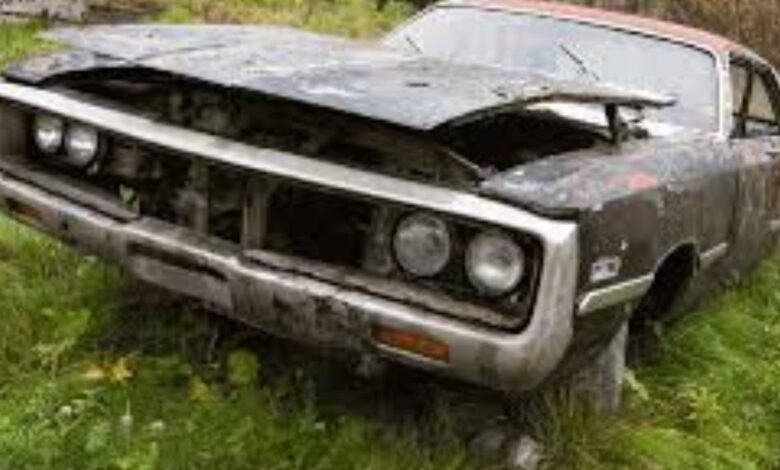
Do you have an old vehicle sitting in your driveway, rusting away and taking up space? Many people face this issue with junk cars without title, wondering if they can sell or get rid of them legally. The good news is that you can often handle these situations without major headaches. This guide walks you through everything you need to know, from understanding why titles go missing to navigating state rules and finding buyers. We draw from reliable sources to give you factual steps, so you feel confident moving forward. For more updates on automotive topics, check out SSG News.
What Are Junk Cars?
Junk cars are vehicles that no longer run well or cost too much to fix. They might have high mileage, accident damage, or worn-out parts like engines or transmissions. In the US, these cars often end up in salvage yards where buyers recycle metal and reuse components. Statistics show that over 12 million cars get recycled each year in the US, making automobiles the most recycled consumer product. This process helps the environment by reducing waste and conserving resources. Recycling one car saves enough energy to power 18 homes for a year, according to industry reports.
Think of a junk car as one that’s reached the end of its useful life on the road. It could be a sedan with over 200,000 miles, a truck missing key features like airbags, or an SUV that’s been in a flood. Owners decide to junk them when repairs exceed the vehicle’s value. For example, if fixing a transmission costs $3,000 but the car is only worth $1,500, it’s time to consider other options. Junk yards value these cars for scrap metal, which averages $125 to $250 per ton, or for parts that can fix other vehicles.
The recycling industry plays a big role here. Professional recyclers process about 4 million vehicles annually in the US and Canada. They dismantle cars, sell usable parts, and crush the rest into scrap. This keeps harmful materials like batteries and fluids out of landfills. If your car fits this description, don’t let it sit idle—it could turn into cash or help someone else on the road.
Common Reasons for Losing a Car Title
People lose car titles more often than you might think. One top reason is simply misplacing them during moves or daily life. Titles are small papers, easy to tuck away and forget. For instance, you might store it in a glove compartment, only to lose track after cleaning out the car.
Another frequent cause is damage. Titles can get torn, water-stained from leaks, or burned in fires. Clerical errors also play a part—wrong signatures, erasures, or using whiteout can void a title, forcing you to get a replacement.
Inheritance situations add complexity. If a relative passes away, the title might not transfer properly without a will or death certificate. Stolen titles are rare but happen, leaving owners without proof.
Project cars or older vehicles often lack titles because owners buy them cheaply and overlook paperwork. In some cases, liens from unpaid loans mean the lender holds the title until you pay off the debt.
Finally, buying from private sellers can lead to issues. A seller might hand over the car without the title, or you lose it before registering. Whatever the reason, act quickly to replace it. Most states let you apply for a duplicate with your VIN, ID, and a small fee, usually $20 to $60. This prevents bigger problems down the line.
Legal Implications of Dealing with Junk Cars Without Title
Handling junk cars without title requires understanding the law to avoid fines or liability. A title proves ownership, so without it, you risk accusations of selling stolen property. Junkyards and buyers need this proof to report sales and prevent fraud.
Federal laws don’t dictate specifics, but states do. Selling without a title is illegal in some places, leading to penalties like fines up to $1,000 or impound fees. For example, if you abandon a car, local codes might charge you for removal.
On the positive side, many states allow alternatives like bills of sale or affidavits. These documents verify ownership through registration or insurance papers. Always check your DMV for rules—some waive titles for cars over 10 or 15 years old.
Liens complicate things. If a loan remains, the lender owns the title. Pay it off first, or buyers won’t touch the car. Stolen VINs or fraud flags can block sales entirely.
The key is transparency. Provide what you have, like a driver’s license matching the registration. Reputable buyers handle paperwork, ensuring legal transfer. This protects you from future claims if the car causes issues. By following rules, you turn a problem into a smooth process.
State-Specific Laws on Junk Cars Without Title
Laws vary widely across the US, so know your state’s rules before acting on junk cars without title. In California, you must get a replacement title or sell for parts only. Strict policies aim to curb theft, requiring a bill of sale and VIN verification.
Florida allows sales without titles for cars over 10 years old or valued under $1,000. Use a bill of sale with buyer and seller details. For newer models, apply for a duplicate at the DMV.
In Texas, vehicles older than 25 years might not need titles, but provide registration and ID. Junkyards often accept affidavits for ownership.
New York requires bonded titles for lost ones. Get a bond worth 1.5 times the car’s value, then apply. This covers potential claims.
Illinois permits scrapping without titles but issues a “scrap for salvage” note. This cancels registration and prevents retitling.
Ohio accepts bills of sale for older cars. Show proof like expired registration.
Georgia needs titles, but you can file for replacements with a form and fee.
Alabama allows no-title sales for vehicles over 35 years old with a bill of sale.
Tennessee requires a title substitution statement for cars 12 years or older.
South Carolina uses Form T1-014A for similar cases.
Always contact your local DMV for exact details. Rules change, and fees apply. Some states report no-title sales to prevent abuse. By complying, you avoid legal snags and get fair value.
For in-depth state guides, see resources like JD Power’s scrap car guide, which explains verification steps.
How to Sell Junk Cars Without Title: Step-by-Step Guide
Selling junk cars without title seems tough, but follow these steps for success. We break it down simply.
1. Gather Proof of Ownership. Collect alternatives like registration, bill of sale, insurance card, or driver’s license. These link you to the VIN. Check for liens—clear them first.
2. Research State Laws. Visit your DMV website or call. Confirm if no-title sales are allowed. For older cars, you might need an affidavit.
3. Apply for a Replacement Title if Possible. Fill out the form with VIN, make, model, and ID. Pay the fee and wait 2-6 weeks. This boosts value.
4. Find Buyers Who Accept No-Title Cars. Contact junkyards, salvage dealers, or online buyers. Ask about requirements. Many offer free quotes.
5. Get Quotes and Compare. Provide details like condition and location. Expect $200-$600 average, less without title due to extra work.
6. Prepare the Car. Remove personal items. Drain fluids if required. Note missing parts.
7. Complete the Sale. Sign a bill of sale with date, price, and signatures. Get payment—cash or check. Arrange towing, often free.
8. Notify the DMV. Report the sale to release liability. Use forms like junk vehicle notification.
Follow these, and you’ll sell smoothly. For tips from users, read Reddit discussions on junkers without titles.
Alternatives to Selling Junk Cars Without Title
If selling doesn’t work, consider other paths for junk cars without title.
- Scrapping for Metal. Take it to a yard for weight-based pay. Average value: $175 per ton. They handle paperwork with your ID.
- Donating the Car. Charities like Kars4Kids accept no-title vehicles. Get a tax deduction. Provide registration; they manage the rest.
- Parting It Out. Sell components like tires or batteries yourself. Use online marketplaces. This maximizes profit but takes time.
- Abandonment Liens. File as abandoned on your property. After notice, claim ownership and get a title.
- Towing Services. Some remove for free, especially if scrap value covers costs.
- Recycling Programs. Local programs offer incentives for eco-friendly disposal.
Each option suits different needs. Scrapping is quick; donating helps others. Choose based on your situation and state rules.
Tips for Getting the Best Value from Junk Cars Without Title
Maximize returns with these expert tips.
- Be Honest About Condition. Disclose issues upfront. Buyers appreciate transparency, leading to better offers.
- Shop Multiple Buyers. Get quotes from 3-5 yards. Compare based on price, towing, and ease.
- Time the Market. Sell when scrap prices rise. Check apps for current rates.
- Remove Valuable Parts. Sell alternators or radios separately if allowed.
- Clean the Car. A tidy vehicle looks better, possibly increasing offers.
- Use Online Tools. Calculators estimate value by weight and metal prices.
- Negotiate Fees. Ask about hidden charges like paperwork.
These steps can add $100-$300 to your payout. For reasons buyers accept no-title cars, see Pull-A-Part’s 5 reasons.
Common Mistakes to Avoid with Junk Cars Without Title
Steer clear of pitfalls for a hassle-free experience.
- Ignoring Liens. Always check—unpaid loans block sales.
- Skipping DMV Notification. This leaves you liable for future issues.
- Accepting Low Offers Quickly. Compare to avoid underselling.
- Not Verifying Buyers. Choose licensed yards to prevent scams.
- Forgetting Personal Items. Remove belongings before handover.
- Assuming All States Allow It. Rules differ—research first.
- Delaying Replacement Titles. Get one if possible for higher value.
Avoid these, and you’ll save time and money.
Background on Junk Cars and Recycling
The junk car industry has grown since the early 1900s, evolving from small scrap yards to a major recycling force. Today, it contributes billions to the economy. Ford and Chevrolet lead in scrapped models, each about 13% of totals.
Recycling rates hit 75-90% per car, reusing steel, aluminum, and plastics. This saves 85 million barrels of oil yearly. The sector employs thousands, focusing on sustainable practices.
Achievements include reducing landfill waste and supporting green manufacturing. For example, recycled steel makes new cars, cutting emissions.
Career Paths in Junk Car Handling
Professionals in this field include salvage buyers, dismantlers, and recyclers. They need knowledge of mechanics and regulations. Certifications from groups like the Automotive Recyclers Association boost credibility.
Success stories abound—many start small and build empires. Skills like negotiation and environmental compliance are key.
Achievements and Innovations
Innovations like automated dismantling speed processes. Stats show 26 cars recycled per minute in the US.
Challenges include fluctuating metal prices, but opportunities in EV recycling grow.
Other Relevant Insights
Electric junk cars pose unique issues with batteries. Handle them safely through specialized yards.
International recycling varies—EU rates top 95%, inspiring US improvements.
Community programs encourage proper disposal, reducing illegal dumping.
FAQs on Junk Cars Without Title
Can I sell junk cars without title legally? Yes, in many states with proof like registration. Check local laws.
What documents replace a title? Use bills of sale, affidavits, or insurance papers matching the VIN.
How much do junk cars without title fetch? Typically $200-$600, depending on weight and condition.
Do all junkyards accept no-title cars? No, but many do for older models. Call ahead.
What if the car has a lien? Pay it off first—buyers won’t accept it otherwise.
Conclusion
Dealing with junk cars without title doesn’t have to stress you out. We’ve covered legal steps, state variations, and practical tips to help you sell, scrap, or donate effectively. Remember, gather proof, research rules, and compare buyers for the best outcome. This turns a rusty problem into cash or a good deed. What challenges have you faced with old vehicles, and how did you solve them?