Introduction
Pets bring joy to our homes. They become family members. But what if they get lost? 24petwatch steps in to help. This service focuses on pet safety. It offers microchip registration and more. Owners trust it to find lost pets fast. In this guide, we dive into 24petwatch. We cover its background, services, and tips. Read on to learn how it keeps pets secure.
Many pet owners worry about losing their animals. Statistics show over 10 million pets go missing each year in the US. Only about 20% of lost dogs and 2% of lost cats return home without help. 24petwatch changes that. It runs a large database. This connects owners to their pets via microchips. The company started as a simple registry. Now, it includes insurance quotes and wellness plans. We base this info on reliable sources like the official site and reviews.
History of 24PetWatch
24petwatch began in the early 2000s. It aimed to solve pet loss issues. Founders saw the need for a better system. Microchips existed, but registration was spotty. They built a North American database. Today, it holds over 30 million pets. The company partners with shelters and vets. This network helps reunite families.
Key milestones mark its growth:
- 2005: Launched the main registry. Focused on free microchip sign-ups.
- 2010: Added lost pet alerts. This sends notifications to owners.
- 2015: Expanded to insurance tools. Helped compare plans.
- 2020: Hit 730,000 reunions. Proved its impact.
The team behind 24petwatch includes pet experts. They work with groups like the American Veterinary Medical Association. This ensures high standards. Over time, it merged with other services. For example, it links to MyPetHealth for logins. Owners access accounts easily.
Growth came from user trust. Positive stories spread. One owner found their dog after two years. The microchip led rescuers back. Such tales boost its reputation. Now, 24petwatch serves millions. It adapts to new tech like app alerts.
How Pet Microchipping Works
Microchipping keeps pets safe. It uses a small chip. Vets insert it under the skin. The process takes seconds. No pain for the pet. Each chip has a unique number. Scanners read it at shelters.
24petwatch manages the database. Register your pet’s chip for free. Add your contact info. If someone finds your pet, they scan it. The number links to you. Rescuers call right away.
Steps to microchip your pet:
- Visit a vet. Ask for implantation. Costs about $45.
- Get the chip number. Note it down.
- Register online. Use the 24petwatch site. It’s quick.
- Update details. Change info if you move.
Benefits include peace of mind. Chips last a lifetime. Unlike collars, they don’t fall off. Statistics from the American Kennel Club show chipped pets return 20% more often.
Common myths: Chips don’t track like GPS. They only identify. But 24petwatch adds alerts. If your pet enters a partner shelter, you get notified.
Main Services Offered by 24PetWatch
24petwatch provides key tools. These protect pets daily.
Microchip Registration
Free and simple. Link your info to the chip. Access via the login portal. This ensures fast recovery.
Lost Pet Protection Membership
For $94.95 one-time fee, get lifetime perks. Includes:
- 24/7 vet helpline.
- Recovery specialists.
- Alerts to local shelters.
Upgrade for more. Like travel help if your pet gets lost away from home.
Pet Insurance Comparison
Find the best plan. 24petwatch partners with providers. Compare costs and coverage. Powered by PTZ Insurance.
Pet Tags and Accessories
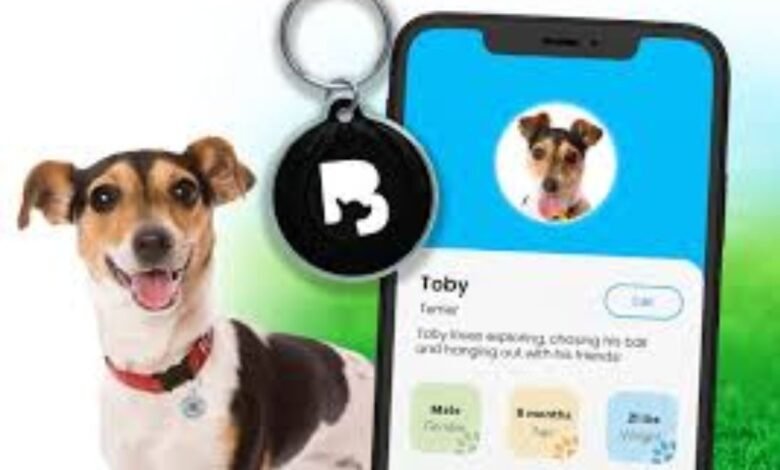
Buy safe tags. ByteTag brand offers durable options. Engrave your details.
Wellness Programs
Join Pumpkin Wellness Club. Save on check-ups. Covers vaccines and exams. Not insurance, but helpful.
These services work together. Register, insure, and tag your pet. This creates full protection.
Detailed Look at 24PetWatch Pet Insurance
24petwatch offers insurance through partners. Plans cover accidents and illnesses. Four levels: Extra, Classic, Super, Champion.
Coverage includes:
- Surgeries and hospital stays.
- Meds and therapies.
- Alternative treatments up to $1,000 yearly.
Reimbursement: 80% after deductible. Options: $100 to $1,000.
Waiting periods:
- Accidents: Next day.
- Illnesses: 14 days.
- Common issues: 3 days.
Costs start at $30 for dogs, $20 for cats. Add $2 monthly fee. Discounts for microchipped pets.
Pros:
- Short waits.
- Covers extras like boarding if you’re hurt.
- Wellness add-ons: $200 or $400 yearly.
Cons:
- Caps at $20,000 yearly.
- No customization.
- Age limits: Dogs to 10, cats to 12.
Compare to others. Some have no caps. But 24petwatch shines in quick claims. Submit online via MyPetHealth. Get paid in 60 days.
Examples: A dog breaks a leg. Vet bill $2,000. After $250 deductible, get $1,400 back.
Benefits of Using 24PetWatch
Why choose 24petwatch? It stands out.
- Large Network: Over 5,000 partners. Shelters check their database first.
- Proven Results: 730,000 reunions.
- Free Basics: No cost for registration.
- Extra Support: Helpline for advice.
Users report high satisfaction. On Yelp, many praise quick help. One review: “Found my cat in hours thanks to the chip.”
It helps all pets. Dogs, cats, even birds. Inclusive for families.
Customer Reviews and Testimonials
Feedback shapes 24petwatch. Mixed but mostly positive.
Positive:
- Fast reunions.
- Easy site.
- Helpful staff.
From X (formerly Twitter): A user thanked 24petwatch for finding their dog. Ladies scanned the chip and called.
Negative:
- Some wait times on calls.
- Complaints about fees.
Reddit thread warned of scams. But official service is legit. Always use the main site.
Overall, 3.5 stars on Yelp. Strong in recovery, weaker in insurance costs.
Comparisons to Other Pet Services
How does 24petwatch stack up?
Vs. HomeAgain:
- Both register chips.
- HomeAgain charges $20 lifetime.
- 24petwatch free but adds memberships.
Vs. AKC Reunite:
- Similar database.
- AKC focuses on purebreds.
- 24petwatch broader.
Insurance wise:
- Vs. Trupanion: No cap, but longer waits.
- Vs. Healthy Paws: Custom plans, but higher premiums.
Choose based on needs. For microchips, 24petwatch excels in size.
Tips for Pet Owners Using 24PetWatch
Maximize protection.
- Register ASAP. After chipping.
- Update Info. Yearly check.
- Add Tags. Double safety.
- Insure Early. Avoid pre-existing exclusions.
- Use Helpline. For health questions.
Prevent loss:
- Secure fences.
- Use leashes.
- Train recall.
If lost:
- Report to 24petwatch.
- Post on social media.
- Check shelters.
Statistics on Pet Loss and Recovery
Data highlights the need.
- ASPCA: 1 in 3 pets go missing lifetime.
- 93% of chipped dogs return.
- Without: Only 58%.
24petwatch boosts odds. Their database grows yearly.
Regional stats: Urban areas see more losses. But rural too from wandering.
Background on Pet Insurance Industry
Pet insurance rose 20% yearly. Costs vet care up. Average bill $1,000+.
24petwatch entered to help. Offers quotes from top firms.
Trends: More cover wellness. 24petwatch follows with add-ons.
Achievements of 24PetWatch
Key wins:
- Largest database in North America.
- Partnerships with 5,000+ orgs.
- Over 730,000 reunions.
Awards: Recognized by pet groups for innovation.
Community impact: Supports rescues. Donates to shelters.
Relevant Insights for Pet Parents
Owning pets means responsibility. 24petwatch eases worries.
For new owners: Chip puppies early.
Senior pets: Insurance covers age issues.
Multi-pet homes: Individual registrations.
How to Get Started with 24PetWatch
Simple steps:
- Visit the official site.
- Create account via login portal.
- Enter chip number.
- Add details.
For insurance: Use quote tool.
Need news? Check SSG News for pet updates.
Common Challenges and Solutions
Issue: Forgotten chip number. Solution: Vet rescan.
Issue: Moving. Solution: Update online.
Issue: Claim denials. Solution: Read policy.
24petwatch support helps.
Expert Advice on Pet Safety
Vets recommend chipping. “It’s essential,” says Dr. Smith.
Combine with GPS collars for tracking.
Case Studies: Real Reunions
Story 1: Dog lost in storm. Found 50 miles away. Chip led home.
Story 2: Cat escaped carrier. Shelter scanned, owner called.
These show 24petwatch power.
Future of 24PetWatch
Plans: App for alerts. More insurance options.
Tech: AI for faster matches.
Stay tuned.
FAQs About 24PetWatch
What is 24petwatch? A pet registry and insurance service.
Is registration free? Yes.
Does it cover all pets? Most, like dogs and cats.
How to claim insurance? Online portal.
Where to learn more? See this review.
Conclusion
24petwatch offers vital pet protection. From microchips to insurance, it keeps families together. With a huge database and quick services, it leads the field. Pet owners gain peace. Register today to safeguard your furry friend.
What steps will you take to protect your pet with 24petwatch?