Common Emergency Shower Failures and How to Prevent Them | Choosing the Best Emergency Shower

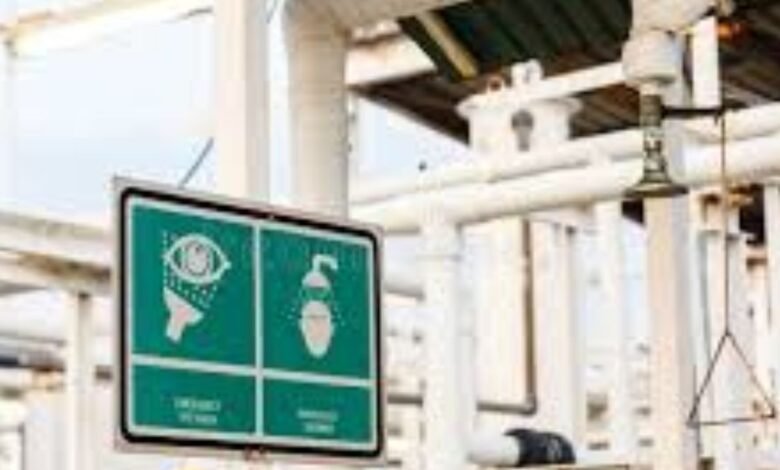
Emergency showers form a very important defense line in workplaces in Australia where there are hazardous chemicals. But even an excellent emergency shower will not last long when it is not well-maintained, is incorrectly installed, or is not properly tested. Knowing the typical failures of even the best emergency shower, as well as ways to avoid them, can assist organizations in keeping their workers safe, staying in compliance, and being able to respond to an emergency promptly.
1. Inadequate Water Flow and Pressure
Poor flow of water is one of the most prevalent emergency shower malfunctions. The required amount of water may not be delivered by the shower due to blocked pipes, low supply pressure, or poorly designed plumbing.
How to prevent it:
- Perform weekly tests of activation according to ANSI Z358.1.
- Make sure the plumbing is created to bear the necessary flow rates.
- Flush the system frequently to get rid of debris.
2. Incorrect Shower Placement
Too distant emergency showers or equipment blocking hazards will not be effective when only seconds count.
How to prevent it:
- Install showers within 10 seconds of walking distance of hazards.
- Clean off access paths when they are not in use.
- Make use of high-visibility signage and lighting.
3. Water Temperature Issues
Very hot or very cold water might prevent the user from remaining under the shower long enough to be effective in decontamination.
How to prevent it:
- Install tepid water systems that are appropriate to the Australian climate.
- Outdoor units can be insulated or heat-traced.
- Check temperature controls during inspection periodically.
4. Poor Maintenance and Testing
The absence of regular checks, in most cases, can result in confiscated valves, broken elements, or undetected leaks. The shower will be out of commission in case of an emergency.
How to prevent it:
- Introduce an established maintenance and inspection program.
- Replenish dilapidated parts as soon as possible.
- Maintain records on compliance.
5. Lack of Employee Awareness
Just having an emergency shower that is fully functional is not effective when the workers do not know where it is located or how to use it.
How to prevent it:
- Add safety induction of emergency shower training.
- Undertake frequent emergency drills.
- Support processes by means of signage and toolbox discussions.
Summary
The failure of even the best emergency showers can be avoided in most cases through proper design, regular maintenance services, and training of staff. To get professional help or a customized solution, contact Spill Station so that your place of work is not harmed at the time you need it the most.