Cardiology Symptoms and Risk Factors: Recognizing the Signs and Understanding the Risks

CARDIOLOGY Symptoms and Risk Factors focuses on the heart and circulatory system, where early recognition of symptoms and awareness of risk factors can dramatically influence outcomes. Many heart conditions develop gradually and may remain silent until a serious event occurs, making it essential to pay attention to subtle changes in how the body feels and functions. Common symptoms often overlap across different cardiac disorders, while certain risk factors increase the likelihood of developing heart disease over time. Understanding both empowers individuals to seek timely medical attention, adopt preventive measures, and work effectively with healthcare providers to protect cardiovascular health.
Common Symptoms That May Signal Heart Problems
Chest discomfort or pain is one of the most recognized warning signs, often described as pressure, tightness, squeezing, or heaviness in the center or left side of the chest. This sensation may last more than a few minutes, come and go, or worsen with activity and improve with rest. It can radiate to the arms, neck, jaw, back, or upper abdomen and may be accompanied by shortness of breath, nausea, sweating, or lightheadedness.
Shortness of breath, particularly during exertion or when lying flat, frequently indicates heart failure or reduced pumping efficiency. Palpitations—sensations of a racing, fluttering, or irregular heartbeat—can point to arrhythmias or other rhythm disturbances. Fatigue that is unexplained and disproportionate to activity level, especially in women, is another important clue, as is swelling in the legs, ankles, or feet caused by fluid retention from impaired heart function.
Dizziness, fainting, or near-fainting episodes may result from inadequate blood flow to the brain due to rhythm problems or structural heart issues. Persistent cough or wheezing, particularly when producing white or pink-tinged mucus, can occur in heart failure as fluid backs up into the lungs. Recognizing these symptoms promptly and reporting them to a healthcare provider allows for earlier evaluation and intervention.
Major Risk Factors That Increase the Likelihood of Heart Disease
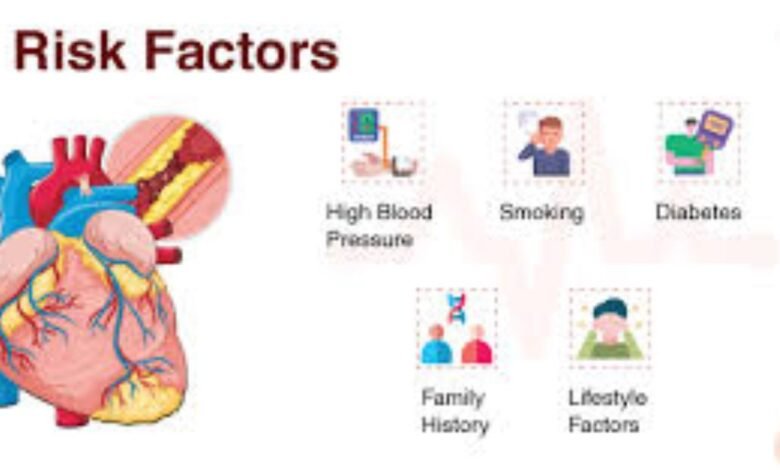
Age remains one of the strongest non-modifiable risk factors, with the incidence of coronary artery disease, heart failure, and arrhythmias rising significantly after middle age. Family history of premature heart disease—particularly in first-degree relatives diagnosed before age 55 in men or 65 in women—substantially elevates personal risk.
High blood pressure silently damages arteries over time, accelerating atherosclerosis and increasing strain on the heart. Elevated cholesterol levels, especially low-density lipoprotein, contribute to plaque buildup in coronary arteries. Diabetes impairs blood vessel function and promotes inflammation, significantly raising the risk of heart attack and stroke.
Tobacco use, whether smoking cigarettes, cigars, or using smokeless products, damages the lining of blood vessels, promotes clotting, and lowers oxygen delivery to the heart. Physical inactivity and obesity create a cascade of harmful effects, including insulin resistance, inflammation, and higher blood pressure. Poor dietary habits—high in saturated fats, trans fats, sodium, and refined sugars—further compound these risks.
Chronic stress, excessive alcohol consumption, and sleep apnea also contribute meaningfully to cardiovascular disease. Addressing modifiable risk factors through lifestyle changes can substantially lower the probability of developing heart problems.
When Symptoms and Risk Factors Converge
The combination of concerning symptoms with one or more risk factors heightens the urgency for evaluation. For instance, chest discomfort in someone with hypertension, diabetes, and a strong family history demands immediate attention. Shortness of breath and leg swelling in an older adult with a history of smoking or obesity may indicate heart failure. Palpitations in a person with untreated high blood pressure could signal an arrhythmia requiring prompt investigation.
Early recognition of this overlap allows healthcare providers to initiate appropriate testing and intervention before complications arise. Many serious cardiac events are preceded by warning signs that, when heeded, lead to timely diagnosis and better prognosis.
The Value of Awareness and Preventive Action
Awareness of both symptoms and risk factors forms the cornerstone of cardiovascular health protection. Regular check-ups, blood pressure monitoring, lipid profiles, and glucose testing help identify issues before symptoms become severe. Lifestyle modifications—such as adopting a heart-healthy diet, engaging in regular physical activity, maintaining a healthy weight, avoiding tobacco, and managing stress—can dramatically reduce risk.
For expert cardiology care and detailed information on symptoms and risk factors, visit the dedicated section at Liv Hospital. Maintaining overall health through balanced habits and regular check-ups supports cardiovascular well-being and enhances quality of life. For additional resources on lifestyle and wellness practices that complement medical care, explore live and feel.