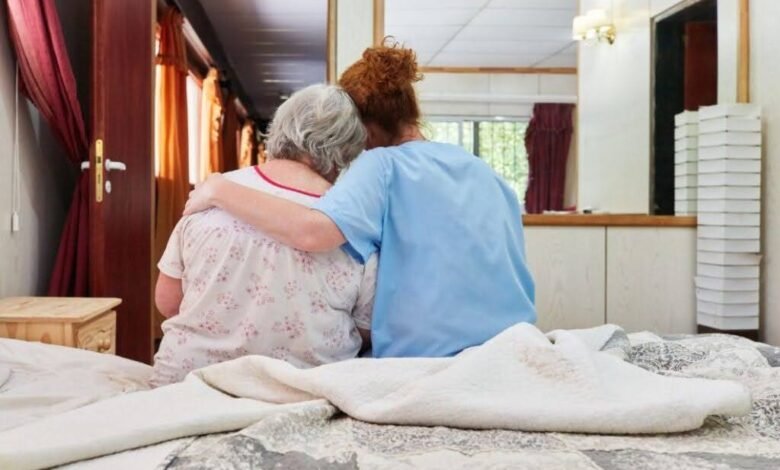
When a loved one is facing a serious or life-limiting illness, families are often overwhelmed with decisions, emotions, and uncertainty. Hospice care is designed to provide comfort, dignity, and support during this time, yet many families delay or avoid it altogether. Why? Much of the hesitation comes from persistent myths and misunderstandings that create unnecessary fear.
Understanding the truth about hospice care—and the support services that often accompany it, such as grief counseling near me—can help families make informed, compassionate decisions when they matter most.
Myth 1: Hospice Care Means Giving Up Hope
One of the most common misconceptions is that choosing hospice care means abandoning hope or stopping all care. In reality, hospice shifts the focus of care rather than ending it. Instead of concentrating on curative treatments that may no longer be effective, hospice emphasizes comfort, symptom management, and quality of life.
Hope does not disappear with hospice care—it simply changes. Families often hope for pain relief, meaningful time together, emotional peace, and dignity for their loved one. Hospice care supports these goals in a holistic way.
Myth 2: Hospice Is Only for the Last Few Days of Life
Many families believe hospice care is only appropriate in the final days or hours of life. This myth often leads to late referrals, depriving patients and families of valuable support. Hospice care is typically available to individuals who are expected to have six months or less to live if the illness follows its usual course.
When hospice care begins earlier, patients often experience better symptom control, less stress, and improved emotional well-being. Families also benefit from guidance, education, and emotional support over a longer period of time.
Myth 3: Hospice Care Is Only Provided in a Facility
Another widespread belief is that hospice care only takes place in specialized facilities or inpatient settings. In truth, hospice care can be provided in many environments, including private homes, nursing homes, assisted living communities, and inpatient centers when needed.
This flexibility allows patients to remain in familiar surroundings, close to loved ones, while still receiving professional medical and emotional support. For many families, this is one of the most comforting aspects of hospice care.
Myth 4: Hospice Care Is Only for Cancer Patients
While hospice care is commonly associated with cancer, it is available to individuals with a wide range of serious illnesses. These may include heart disease, chronic lung conditions, neurological disorders, kidney disease, and advanced dementia.
Limiting hospice care to a single diagnosis prevents many patients from receiving appropriate support. Hospice eligibility is based on medical need and prognosis, not on a specific condition.
Myth 5: Families Are Left to Handle Everything Alone
Some families worry that once hospice care begins, they will be expected to manage all aspects of care by themselves. In reality, hospice care is team-based and designed to support both patients and caregivers.
The Hospice Care Team Typically Includes:
- Nurses to manage symptoms and medications
- Physicians who oversee medical care
- Social workers who assist with emotional and practical concerns
- Chaplains or spiritual counselors for spiritual support
- Trained volunteers who provide companionship and respite
This collaborative approach helps families feel supported, informed, and less isolated during an incredibly challenging time.
Myth 6: Hospice Care Is Only About the Patient
Hospice care recognizes that serious illness affects the entire family, not just the individual receiving care. Emotional, psychological, and spiritual support for family members is a core component of hospice services.
Support for Families May Include:
- Education about what to expect as the illness progresses
- Emotional counseling during and after the caregiving journey
- Bereavement support following a loss
These services can make a profound difference in how families cope, grieve, and heal.
Myth 7: Hospice Care Hastens Death
A particularly harmful myth is the belief that hospice care speeds up the dying process. Hospice does not hasten death, nor does it prolong it unnecessarily. Instead, it focuses on comfort, symptom relief, and respecting the natural course of illness.
In some cases, patients receiving hospice care may live longer than those undergoing aggressive treatments that cause significant side effects and stress. The primary goal is to improve the quality of remaining life, not to alter its length.
Why Addressing These Myths Matters
Misunderstandings about hospice care can prevent families from accessing compassionate, comprehensive support during one of life’s most difficult moments. When families delay hospice care due to fear or misinformation, they may miss out on services that ease suffering, strengthen relationships, and provide emotional relief.
By separating myth from reality, families can make choices based on knowledge rather than fear—choices that honor their loved one’s comfort, dignity, and values.
Final Thoughts
Hospice care is not about giving up; it is about choosing care that prioritizes comfort, compassion, and connection. Dispelling common myths allows families to see hospice for what it truly is: a supportive approach that cares for the whole person and the people who love them.
When families understand the full scope of hospice care and the resources available to them, they are better equipped to seek help early, navigate difficult transitions, and find support during grief and beyond.