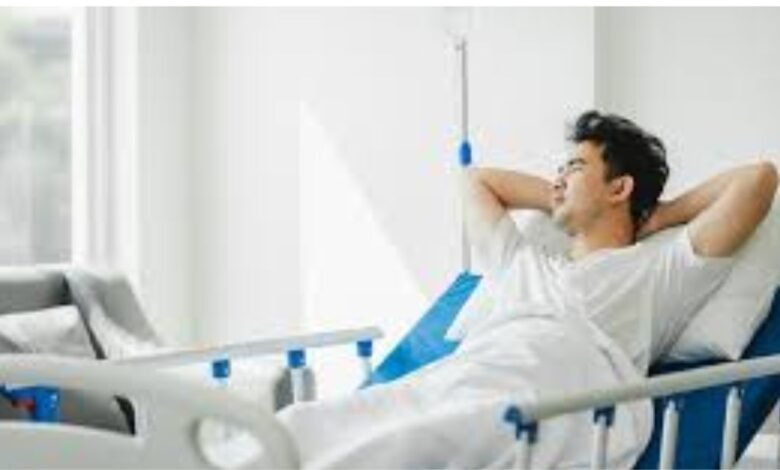
Recovery after urological treatment varies widely depending on the condition, the type of intervention, and the individual’s overall health. Whether following a minor procedure such as cystoscopy or a major surgery like radical prostatectomy or cystectomy, the focus remains on restoring function, managing discomfort, preventing complications, and monitoring for recurrence or progression. Thoughtful post-treatment care combines medical oversight, patient education, lifestyle adjustments, and scheduled evaluations to ensure the best possible outcome. Understanding the typical recovery process and the importance of consistent follow-up helps patients feel more prepared and engaged throughout their healing journey.
Immediate Post-Procedure Recovery
The first days and weeks after a UROLOGY Recovery and Follow-upprocedure are often the most intensive. Minor endoscopic treatments such as transurethral resection of the prostate or ureteroscopy may involve a short hospital stay or same-day discharge, with patients experiencing mild burning during urination, temporary hematuria, and a small amount of bladder spasm. Drinking plenty of fluids helps flush the urinary tract and reduces irritation, while prescribed medications control pain and prevent infection.
More extensive surgeries, including partial or radical nephrectomy, prostatectomy, or cystectomy with urinary diversion, require a longer hospital stay and involve a period of restricted activity. Pain management, early mobilization to prevent blood clots, and wound care are prioritized. Catheters or stents, commonly placed to maintain urine flow, are managed carefully to avoid blockage or discomfort. Patients receive clear instructions on catheter hygiene, fluid intake, and signs that require immediate medical attention, such as fever, severe pain, or heavy bleeding.
Managing Common Recovery Challenges
Bladder spasms, leakage around a catheter, and fatigue are frequent during early recovery. Anticholinergic medications or alpha-blockers often relieve spasms, while pelvic floor exercises strengthen control and reduce leakage over time. Constipation, a common side effect of pain medications and reduced activity, is prevented through dietary fiber, hydration, and stool softeners.
Sexual function and continence recovery require patience. After prostatectomy, erectile rehabilitation may begin with oral medications, vacuum devices, or injections, while continence improves gradually with pelvic floor training. Following cystectomy, adaptation to a neobladder or external pouch involves learning new voiding techniques and skin care around a stoma. Emotional support and open communication with the healthcare team help address anxiety or adjustment difficulties during this phase.
Long-term Recovery and Rehabilitation
As acute healing progresses, attention shifts to restoring normal function and preventing complications. Regular pelvic floor physiotherapy strengthens the muscles supporting bladder control and sexual health. Nutritional guidance supports kidney stone prevention or wound healing, while smoking cessation programs significantly lower the risk of recurrence in bladder cancer.
Physical activity resumes gradually, starting with short walks and progressing to light exercise as approved by the surgeon. Weight management and blood pressure control become important in patients with chronic kidney disease or after partial nephrectomy. Sexual rehabilitation continues with counseling, medications, or devices as needed, helping many men regain satisfactory function over months.
The Critical Role of Follow-up Care
Scheduled follow-up visits allow the urologist to monitor healing, assess treatment effectiveness, and detect early signs of recurrence or complications. After prostate cancer treatment, PSA testing tracks response and identifies potential biochemical recurrence. Regular cystoscopy and urine cytology surveillance are standard after bladder tumor removal, while imaging and renal function tests follow kidney surgery or stone treatment.
Follow-up frequency depends on the diagnosis and treatment received. Early appointments focus on wound healing, catheter removal, and symptom control, while later visits emphasize cancer surveillance, functional recovery, and quality-of-life concerns. Open dialogue during these visits ensures any new symptoms receive prompt attention and treatment plans are adjusted as needed.
Supporting Recovery Through Lifestyle and Self-Care
Healthy habits accelerate healing and sustain urological health. Adequate hydration flushes the urinary tract and reduces stone risk, while a balanced diet rich in fruits, vegetables, and whole grains supports overall wellness. Avoiding bladder irritants such as caffeine, alcohol, and spicy foods can ease symptoms during recovery from bladder or prostate procedures.
Stress management, regular physical activity, and sufficient sleep contribute to both physical and emotional recovery. Patients who actively participate in their follow-up care and adopt supportive lifestyle changes often experience better functional outcomes and greater satisfaction with their treatment journey.
For expert urological care and detailed information on recovery and follow-up, visit the dedicated section at Liv Hospital. Maintaining overall health through balanced habits and regular check-ups supports urological well-being and enhances quality of life. For additional resources on lifestyle and wellness practices that complement medical care, explore live and feel.